What Is Gas Fee in Crypto and How to Reduce It
Gas fees are one of the most important cost factors in the cryptocurrency market. Many people enter crypto focused on price growth and new opportunities, but they quickly discover that transaction costs can strongly affect real profits. Sending ETH, swapping tokens, minting NFTs, or using DeFi protocols all require paying network fees. If you do not understand how gas works, you risk overpaying and reducing your overall returns.
Knowing what is gas fee crypto is not just basic theory. It is part of smart financial management. In some periods, transaction costs remain low and almost unnoticeable. In other moments, especially during market volatility, Ethereum gas fees can increase dramatically. The difference between acting at the right time and the wrong time can mean saving a meaningful percentage of your capital.
This guide explains how gas fees function, why they increase, how to reduce Ethereum gas fee expenses, and how a crypto gas tracker helps you make better decisions before sending funds.
What Is Gas Fee in Crypto
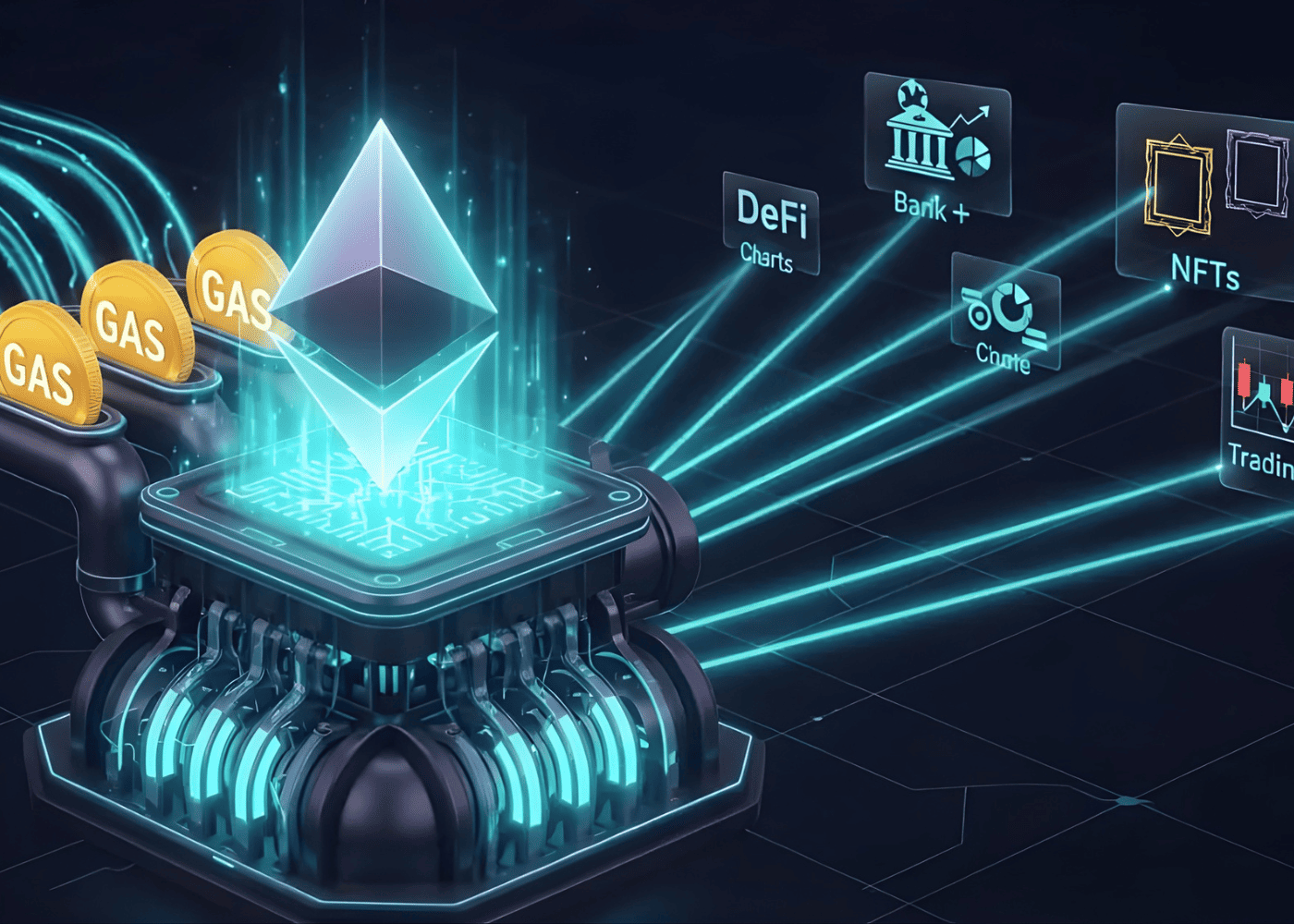
Gas is the price users pay for using blockchain resources. On Ethereum, every transaction requires computational work. Validators process transfers, execute smart contracts, and secure the network. Gas fees compensate them for this work.
Each transaction has a gas limit, which reflects how much computational effort it may require. A simple transfer of ETH consumes less gas than interacting with a decentralized exchange or providing liquidity to a DeFi pool. The total cost depends on both the complexity of the transaction and the current gas price on the network.
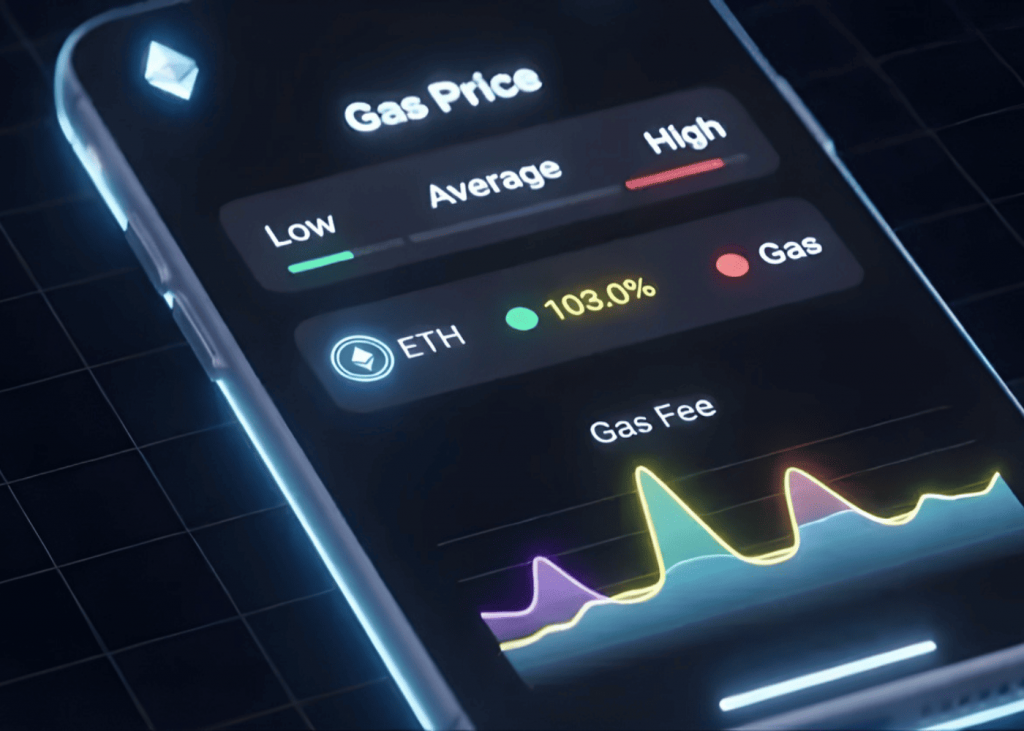
Gas prices are dynamic. Ethereum operates under supply and demand principles. Block space is limited, and when many users want to send transactions at the same time, they compete by offering higher fees. This competition pushes gas prices up. When network activity slows down, fees decrease.
Understanding this mechanism allows users to approach transactions strategically rather than emotionally.
Why Ethereum Gas Fees Increase
Gas fees usually rise during periods of intense activity. The most common cause is market volatility. When prices move sharply, traders rush to protect positions, open new trades, or close existing ones. Thousands of transactions compete for confirmation in a short time, which increases the gas price.
DeFi protocols also create spikes. Large liquidations, yield farming events, token launches, and airdrops can overload the network. NFT drops are another major factor. When a popular collection launches, users often increase gas prices aggressively to secure mint positions. This behavior temporarily pushes average fees higher for everyone.
It is important to understand that these spikes reflect real demand. Ethereum processes a limited number of transactions per block. When demand exceeds supply, prices adjust automatically. Gas fees are not random or manipulated. They are a market response to congestion.
By recognizing these patterns, users can avoid unnecessary expenses and wait for better conditions when possible.
Best Time to Send Crypto
Timing plays a crucial role in managing transaction costs. Although gas fees change constantly, certain trends repeat over time.
Weekends often show lower activity compared to weekdays. Many institutional traders and large DeFi participants reduce activity during off-business hours. As a result, average gas prices may drop.
Late-night hours in major financial regions can also offer lower fees. Fewer users interacting with smart contracts means less competition for block space. However, sudden market news or unexpected price movements can disrupt these patterns.
Because timing alone is not fully reliable, it is always better to check live data before confirming a transaction.
How a Crypto Gas Tracker Helps You Save Money
A crypto gas tracker gives you real-time visibility into network conditions. Instead of relying on wallet default settings, you can check current congestion levels before sending funds.
The Gas Tracker available at:
allows users to monitor fee levels and estimate confirmation speeds. This helps you decide whether to send immediately or wait for lower congestion.
Using a gas tracker provides practical advantages:
You avoid sending transactions during temporary spikes.
You can choose a lower priority fee if speed is not critical.
You gain control over your transaction timing.
You build a disciplined habit of cost management.
For active traders and DeFi users, this habit can significantly reduce Ethereum gas fee expenses over time.
Comparing Ethereum With Lower-Fee Networks
Ethereum is the most established smart contract platform, but it is not always the cheapest. Layer 2 networks such as Arbitrum, Optimism, and Base process transactions more efficiently by handling activity off the main chain and then settling results on Ethereum. This often results in much lower fees while keeping strong security guarantees.
Other networks like BNB Chain, Polygon, and Avalanche also offer lower transaction costs. However, lower fees sometimes come with trade-offs, including different levels of decentralization, liquidity depth, or ecosystem maturity.
When choosing a network, consider several factors:
Security and validator structure
Liquidity availability
Compatibility with your tokens
Bridge risks when moving funds
If you plan to swap assets, you can evaluate network options and transaction costs using
which helps users execute swaps while considering network efficiency.
Lower fees are beneficial, but always balance cost with reliability and ecosystem strength.
Practical Tips to Reduce Ethereum Gas Fee
Reducing gas fees requires a consistent strategy rather than random decisions.
Always check network conditions before confirming a transaction.
Avoid sending funds during major market events unless necessary.
Consider Layer 2 networks for frequent transactions.
Batch actions when possible instead of performing many small operations.
Test new contracts with small amounts before committing larger funds.
Another important recommendation is patience. Many users overpay because they act under emotional pressure. If a transaction is not urgent, waiting even a few hours can reduce costs significantly.
Also pay attention to wallet settings. Some wallets allow manual gas configuration. If you understand confirmation speed trade-offs, adjusting priority fees can further optimize expenses.

Why Gas Fee Management Matters for Long-Term Investors
Some investors believe gas fees are only important for traders. This is not accurate. Even long-term holders need to transfer funds between wallets, stake assets, or rebalance portfolios. Over several years, repeated overpayments accumulate.
Capital preservation is part of smart investing. Managing transaction costs improves net returns without increasing risk. In a competitive market, small advantages compound over time.
Learning what is gas fee crypto and using tools like a crypto gas tracker gives you control. Instead of reacting to unexpected costs, you operate with clear information.
Conclusion
Gas fees are a fundamental part of blockchain infrastructure. They secure networks and incentivize validators, but for users they represent a real financial cost. Understanding how they work and why they change allows you to make smarter decisions.
By monitoring live conditions with:
and choosing efficient networks for swaps through:
you can significantly reduce Ethereum gas fee exposure.
The crypto market rewards preparation and discipline. Managing gas fees is one of the simplest yet most powerful ways to protect your capital and improve long-term results.