
Crypto Ecosystem: Key Areas, Concepts, and Uses
What the Crypto Ecosystem Includes
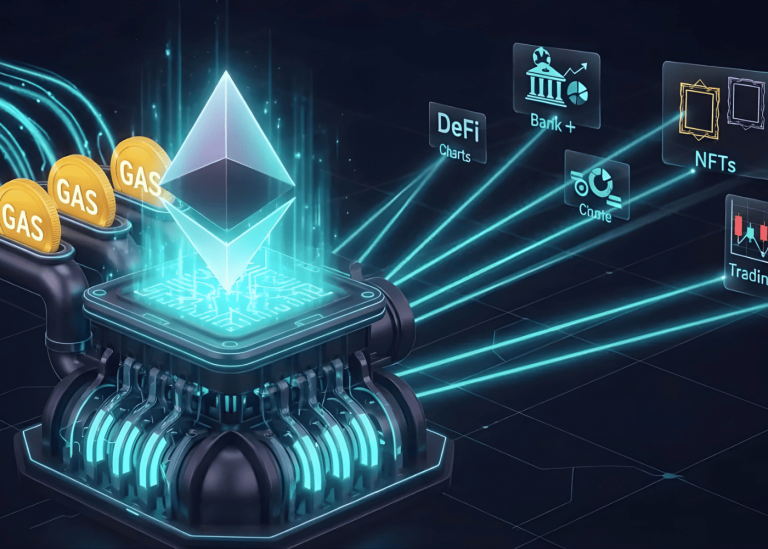
The crypto ecosystem is a network of technologies, platforms, and digital assets built on blockchain. It includes cryptocurrencies, decentralized applications, smart contracts, exchanges, wallets, and financial tools. Each part works together to create a digital economy that operates without central control.
Blockchain Technology as the Foundation
Blockchain is the base layer of the crypto ecosystem. It is a digital ledger that records transactions in a secure and transparent way. Each block contains data that cannot be changed once added. This structure removes the need for intermediaries and makes the system resistant to tampering.
Cryptocurrencies and Digital Assets
Cryptocurrencies are digital money used for payments, transfers, and storing value. Bitcoin, Ethereum, and stablecoins are the most common examples. Digital assets also include tokens that represent ownership, access rights, or utility within a platform. These assets move across the blockchain quickly and at low cost.
Smart Contracts and Their Role
Smart contracts are programs stored on a blockchain. They run automatically when conditions are met. This removes the need for middlemen and reduces the chance of disputes. Smart contracts power decentralized apps, automated payments, lending platforms, and token creation.
Decentralized Finance (DeFi)
DeFi is a group of financial tools built on blockchain. It allows users to borrow, lend, trade, and earn interest without banks. DeFi platforms use smart contracts to automate transactions. This gives users more control over their money and removes traditional financial barriers.
Web3 and Decentralized Applications
Web3 is the next stage of the internet. It focuses on user ownership and decentralization. Instead of companies controlling data, users keep control through blockchain based identities and wallets. Decentralized applications, or dApps, run on blockchain networks and offer services like gaming, trading, and social platforms.
NFTs and Digital Ownership
NFTs are tokens that prove ownership of digital items. They are used for art, music, collectibles, gaming items, and digital identity. Each NFT is unique and stored on a blockchain. This makes it easy to verify who owns a digital asset.
Crypto Exchanges and Wallets
Exchanges are platforms where users buy, sell, and trade cryptocurrencies. Wallets store digital assets and allow users to manage their private keys. Hot wallets stay connected to the internet for convenience. Cold wallets stay offline for stronger security.
Real World Uses of Crypto
Crypto is used in many industries. Common uses include:
- Cross border payments
- Online purchases
- Remittances
- Digital identity
- Supply chain tracking
- Gaming and virtual assets
- Tokenized real estate and investments
These applications show how blockchain can improve speed, transparency, and access.
Risks and Challenges in the Crypto Ecosystem
The crypto ecosystem also has risks. Prices can change quickly. Some projects lack regulation or clear oversight. Users must protect their private keys to avoid losing access to their assets. Scams and poorly built platforms can also cause losses. Understanding these risks is essential before investing or using crypto tools.
Summary
The crypto ecosystem covers a wide range of technologies and digital assets. It includes blockchain, cryptocurrencies, DeFi, NFTs, Web3, and more. These tools create new ways to store value, transfer money, and build online services. If you want to explore crypto, start by learning the basics, choosing a secure wallet, and using trusted platforms. Take your time, stay informed, and build your knowledge step by step.