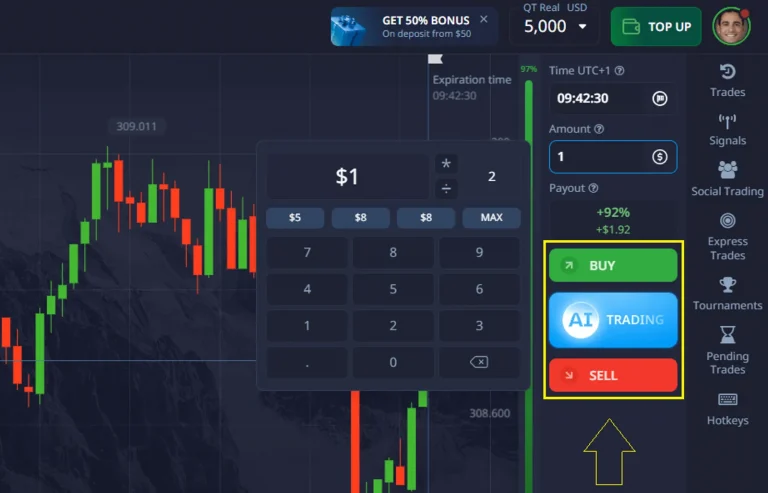

Crypto Converter Explained: How to Convert Crypto and Fiat Correctly
If you compare the Bitcoin price on CoinMarketCap, then check the live trading screen on Binance, and finally type “BTC to USD” into Google, you will almost certainly see three slightly different numbers. For new users this looks confusing; for experienced traders it is expected. The misunderstanding begins when people assume there is a single “real” price for crypto at any given second. In reality, what you see depends on data source, aggregation method, liquidity conditions, and the specific trading pair being referenced.
This confusion is not theoretical — it has direct financial consequences. In a high-volatility environment like 2025–2026, even a 1–2% difference in conversion rate can materially affect profitability. For someone converting $25,000 worth of crypto into fiat, that margin represents hundreds of dollars. For larger portfolio reallocations, the impact becomes even more significant. Precision in crypto price conversion is therefore not just about curiosity; it is a component of disciplined risk management.
In this guide, we will break down how a crypto converter actually works behind the interface, why prices differ between exchanges, how Bid/Ask mechanics and order books influence execution, and how to convert crypto to fiat strategically without leaking value through spreads, slippage, or hidden fees. The objective is not to provide a superficial calculator tutorial, but to give you a structural understanding of how pricing in crypto markets truly functions.
How Crypto Conversion Works: Behind the Scenes
At its core, a crypto converter is a pricing interface layered on top of live market data. It takes real-time feeds from exchanges, aggregates them, and displays a conversion rate between two assets — for example, BTC to USD. However, that displayed number is usually not the exact rate at which your trade will execute.
The reason lies in the structure of the order book. Every active trading pair has two sides: buyers placing bids and sellers placing asks. The highest bid represents the most aggressive buyer; the lowest ask represents the most competitive seller. The difference between them is known as the spread. Most crypto converters display the mid-market rate — essentially the arithmetic midpoint between the highest bid and lowest ask — because it serves as a neutral reference price. But when you actually execute a market order, you transact against the ask (if buying) or the bid (if selling), not the midpoint.
To understand this intuitively, imagine exchanging currency at an airport kiosk. The board might show EUR/USD at 1.10, but the rate you receive when buying euros could be 1.13, while selling might be 1.07. The visible number is a reference; the execution price embeds profit for the exchange. Crypto markets operate under the same economic logic, just at millisecond speed and with global liquidity.
Liquidity depth further complicates conversion accuracy. When a market has substantial trading volume and deep order books — common with major pairs like BTC/USD — price stability is higher and slippage is lower. Slippage occurs when your order is large enough to consume multiple price levels within the order book, pushing the average execution price away from the displayed rate. Smaller trades might execute almost exactly at the quoted price, but larger trades may move the market as they fill.
Therefore, a crypto converter provides an estimate based on current visible conditions. The actual conversion outcome depends on order size, liquidity, volatility, and the specific mechanics of the exchange where execution occurs.
Why Prices Differ Between Exchanges
Unlike traditional stock markets that centralize liquidity within a limited number of exchanges, cryptocurrency markets are decentralized across dozens of trading venues worldwide. Each platform maintains its own order book, its own liquidity providers, and its own internal supply-demand dynamics. As a result, price discrepancies are normal.
Trading volume is one of the primary drivers of price stability. Larger exchanges process higher transaction volumes, which generally results in tighter spreads and more efficient price discovery. Smaller platforms, with thinner liquidity, may display slightly wider spreads or more volatile price movements due to lower order depth. When a large trade enters a low-liquidity market, it can shift the price more dramatically than it would on a high-volume exchange.
The structure of trading pairs also plays a critical role. For example, converting BTC directly into USD through a BTC/USD pair may produce a different result than converting BTC into USDT first and then USDT into USD. Each conversion step introduces its own spread and potential fee. Even if stablecoins like USDT or USDC are designed to track the US dollar, their market price can fluctuate slightly depending on demand, redemption flows, and exchange conditions. This layered pricing mechanism explains why cross-rate conversions sometimes yield marginally different outcomes.
Market makers and arbitrage traders continuously monitor these discrepancies. When price gaps appear between exchanges, arbitrageurs buy on the cheaper venue and sell on the more expensive one, narrowing the difference. However, because crypto markets operate globally and 24/7, small windows of price divergence always exist. A crypto converter aggregates data, but it cannot eliminate the structural fragmentation of liquidity across platforms.
How to Use a Crypto Converter Properly
Using a crypto converter correctly requires more than typing in numbers. It involves understanding your conversion objective and anticipating all associated costs.
The first step is choosing the correct fiat reference. If your end goal is to withdraw USD, calculate directly against USD. If you operate in EUR or another local currency, use that fiat gateway instead of relying on secondary conversions. Converting through multiple currencies exposes you to additional spread costs and exchange risk. For example, converting BTC to USDT and later converting USDT to EUR means paying two spreads instead of one.
Timing also affects conversion efficiency. During periods of elevated volatility — such as macroeconomic announcements, ETF news, or large liquidation cascades — spreads often widen and order books thin out temporarily. Executing conversions during calmer market conditions typically results in more predictable pricing and reduced slippage. Monitoring volatility before converting is a simple but often overlooked optimization technique.
Equally important is fee awareness. Most crypto converters display the clean market rate without including trading commissions, withdrawal fees, blockchain network costs (gas fees), or payment processor charges for fiat off-ramps. When planning a conversion, calculate the net outcome after all fees are applied. A displayed rate might appear attractive, but the final credited amount could differ materially once costs are deducted.
Professional traders treat converters as planning instruments. They verify the live order book on the execution platform before submitting large trades, adjust order types if necessary, and incorporate fee structures into their calculation models. Precision requires context.
Live Price Tracking Tools
Modern crypto converters have evolved beyond static calculators. Advanced tools integrate directly with exchange APIs to provide real-time crypto rates, often updating every few seconds. This level of responsiveness is essential in markets where price movements of 0.5% can occur within minutes.
A robust Crypto Converter should provide accurate spot pricing, support thousands of digital assets from large-cap coins to emerging tokens, and include historical data visualization for context. Historical price charts allow users to evaluate recent trends before executing a conversion, reducing impulsive decisions based on short-term spikes or dips.
Reliable live tracking also minimizes the risk of acting on stale data. Some websites cache price feeds with minor delays, which can be inconsequential in stable markets but problematic during sharp volatility. For accurate crypto price conversion, near real-time synchronization with major exchange feeds is critical.
Common Conversion Mistakes to Avoid
One of the most frequent errors in crypto conversion is relying on outdated pricing information. During rapid market movements, even a five-minute delay can significantly distort expected returns. Always verify that the converter is pulling fresh data before executing.
Another widespread mistake is ignoring the cumulative impact of fees. Traders often calculate projected gains based on headline rates without subtracting spreads, transaction fees, withdrawal costs, and potential banking fees on fiat deposits. This oversight leads to overestimated profits and underappreciated cost exposure.
Finally, operational errors remain surprisingly common. Entering an incorrect amount, selecting the wrong trading pair, or misreading decimal placement can have irreversible consequences. Unlike traditional banking systems, blockchain transactions cannot be reversed once confirmed. A disciplined double-check process before finalizing any conversion is essential.

Conclusion
Understanding crypto conversion mechanics transforms a simple calculator into a strategic instrument. A crypto converter does not create prices; it reflects market conditions shaped by liquidity, order books, spreads, and arbitrage dynamics. Recognizing this distinction enables more informed decision-making.
In volatile markets, the difference between a reference rate and an execution rate can meaningfully impact capital efficiency. By analyzing liquidity depth, accounting for spreads, selecting the appropriate fiat gateway, and incorporating all transaction costs, users can convert crypto to fiat with significantly greater precision.
In digital asset markets, precision is not optional — it is the foundation of sustainable trading.
Call to Action
Stop guessing the price! Check the most accurate, real-time rates with our Crypto Converter and plan your trades with precision.
Ready to trade? After calculating your rate, Swap Directly using our secure, non-custodial exchange partner with minimal slippage.
FAQ
Why is the converter price different from my exchange?
Converters typically display aggregated mid-market data, while exchanges execute trades based on their live order book. Your final execution depends on Bid/Ask spread and liquidity conditions at that moment.
Does a crypto converter include transaction fees?
In most cases, no. The displayed rate usually reflects the clean market price and does not include trading commissions, withdrawal fees, or network costs.
How often do crypto converter rates update?
High-quality converters update every few seconds via exchange APIs, ensuring access to near real-time crypto rates.
What is the best pair to convert crypto to fiat?
Highly liquid stablecoin pairs such as USDT or USDC are often used as intermediate steps because they reduce volatility exposure before final fiat settlement.
Is it safe to use online crypto converters?
Yes, provided the tool functions strictly as a calculator and does not require wallet connection or personal information for basic rate checks.